

High production costs remain one of the biggest challenges for companies relying on precision machining. Complex part geometries, tight tolerances, and material waste can quickly drive up expenses. Optimizing precision machining processes allows engineering teams to strike a balance between quality and cost efficiency. This article outlines practical steps manufacturers can take to cut costs and how outsourcing specific processes can further optimize production economics with IDEA’s engineering expertise.
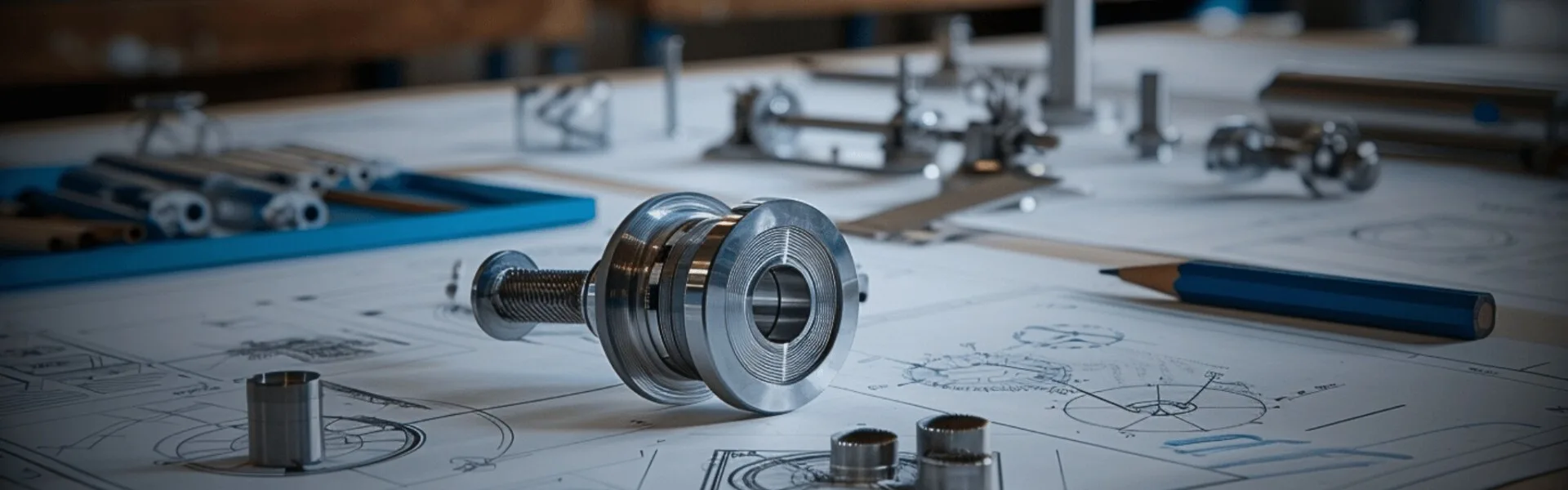 Reliable CNC Machining Solutions for Your Industrial Needs
Understanding the Cost Challenges in Precision Machining
Precision machining involves producing complex components that demand high accuracy, consistency, and surface finish. However, achieving tolerances within microns often leads to high costs due to extended machine time, tool wear, and labor-intensive setups. For companies producing small to medium batches, these issues can become even more pronounced as setup costs are distributed across fewer units. Additionally, the need for specialized operators and frequent machine calibration adds to operational overhead.
As global competition intensifies, OEMs and engineering teams are under pressure to maintain quality standards while improving cost efficiency. The challenge lies in doing both—reducing cost per part without compromising precision or delivery times.
Key Factors That Cause Excess Costs
Many manufacturers face similar root causes when analyzing precision machining inefficiencies. The combination of outdated workflows, suboptimal process selection, and inadequate fixture design can easily erode margins. These cost drivers can often be traced to production planning and design-engineering interfaces, where misalignments create avoidable rework or machine downtime.
First, toolpath optimization is frequently overlooked during programming, resulting in unnecessary tool movement and material removal. Second, fixture or workholding designs may not be fully optimized for cycle repeatability, requiring additional operator adjustments. Finally, in-house capacity limitations or skill gaps can lead to inefficient scheduling and high indirect costs per hour. Small improvements in these areas can yield substantial cost reduction.
A Framework for Optimizing Precision Machining Operations
Companies aiming to optimize precision machining must approach it as a structured engineering process rather than an isolated production activity. A systematic framework ensures that every decision—from design to material sourcing—supports cost and quality objectives.
Step 1 – Analyze part design for manufacturability. Begin by reviewing component geometry to identify unnecessary tolerances, deep cavities, or thin walls that complicate machining. Early collaboration between design and manufacturing engineers can simplify tool paths and reduce programming time.
Step 2 – Evaluate process and machine selection. Assess whether multi-axis CNC machining, turning, or EDM provides the best combination of speed, accuracy, and material utilization. Reassessing machine assignment may reduce setup or cycle time without affecting quality.
Step 3 – Optimize tooling and cutting parameters. Efficient tool selection and proper speeds/feeds extend tool life and minimize downtime. Using modern tool coatings and high-efficiency milling strategies can result in double-digit percentage reductions in cost per part.
Step 4 – Implement precision workholding and jigs. Proper workholding design minimizes deflection and eliminates the need for multiple setups, improving repeatability and cutting changeover time. Custom jigs can be designed to fit part geometry, improving alignment accuracy across batches.
Workholding improvements can significantly influence machine stability and throughput efficiency. High-quality jigs and fixtures help reduce part variability and cycle loss, which is crucial for high-precision applications.
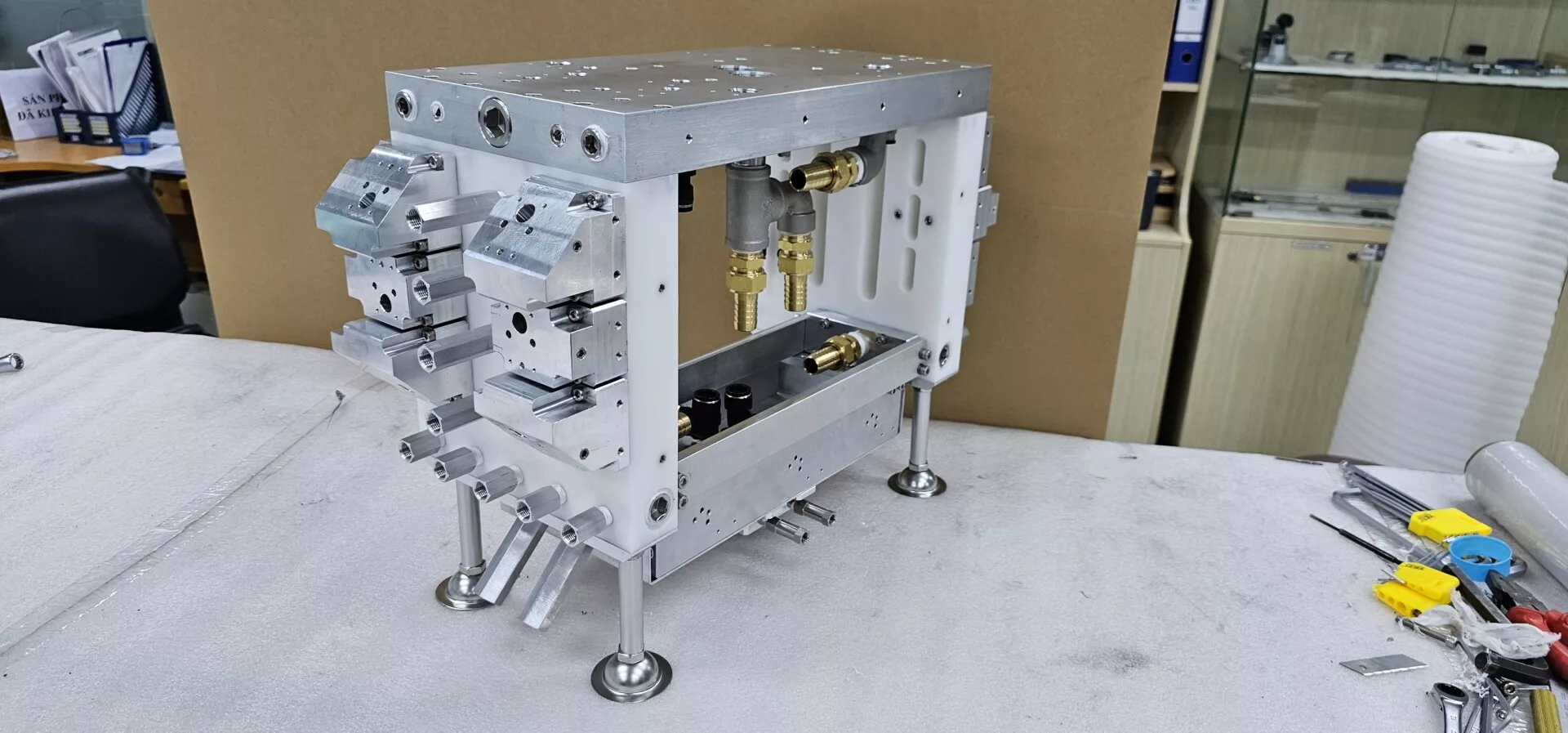 jigs and fixtures, workholding design, precision machining
Step 5 – Integrate outsourcing strategically. When in-house machining becomes cost-inefficient, outsourcing can complement internal operations. Engineering outsourcing partners offer scalability, access to advanced CNC equipment, and process expertise that smaller teams might lack. This step can help flatten cost spikes related to production peaks or specialized part runs.
Practical Implementation Tips
Adopting an optimization framework is effective only when internal processes support disciplined execution. The following best practices ensure successful implementation and lower the risk of cost creep during production.
- Use a consistent design-for-manufacturing review before finalizing part drawings. Early manufacturability feedback prevents rework and toolpath reprogramming.
- Establish standard machining parameters for commonly used materials to maintain consistent tool life and cost predictability.
- Collaborate closely with outsourcing partners to align tolerances, surface requirements, and inspection standards before production begins.
- Combine digital process monitoring with continuous operator training to identify variations that drive scrap or downtime.
Benefits of a Structured Precision Machining Strategy
When companies follow a structured approach to optimize precision machining, they benefit from increased efficiency and reduced total manufacturing costs. The gains extend beyond tooling or machining speed—encompassing improved throughput, equipment utilization, and decision-making clarity across engineering and production teams.
- Reduced cycle times through optimized tool paths and fixtures
- Higher consistency and reduced scrap due to improved process control
- Lower machine wear and maintenance costs from proper cutting conditions
- Better allocation of internal capacity via selective outsourcing
- Improved total cost of ownership due to predictable production performance
By treating precision machining as an engineering optimization problem, companies can systematically lower costs while maintaining world-class quality standards. Each incremental improvement builds toward a more agile, cost-efficient manufacturing operation.
Explore how IDEA applies advanced precision machining services and engineering solutions to help manufacturers optimize production and reduce overall costs.